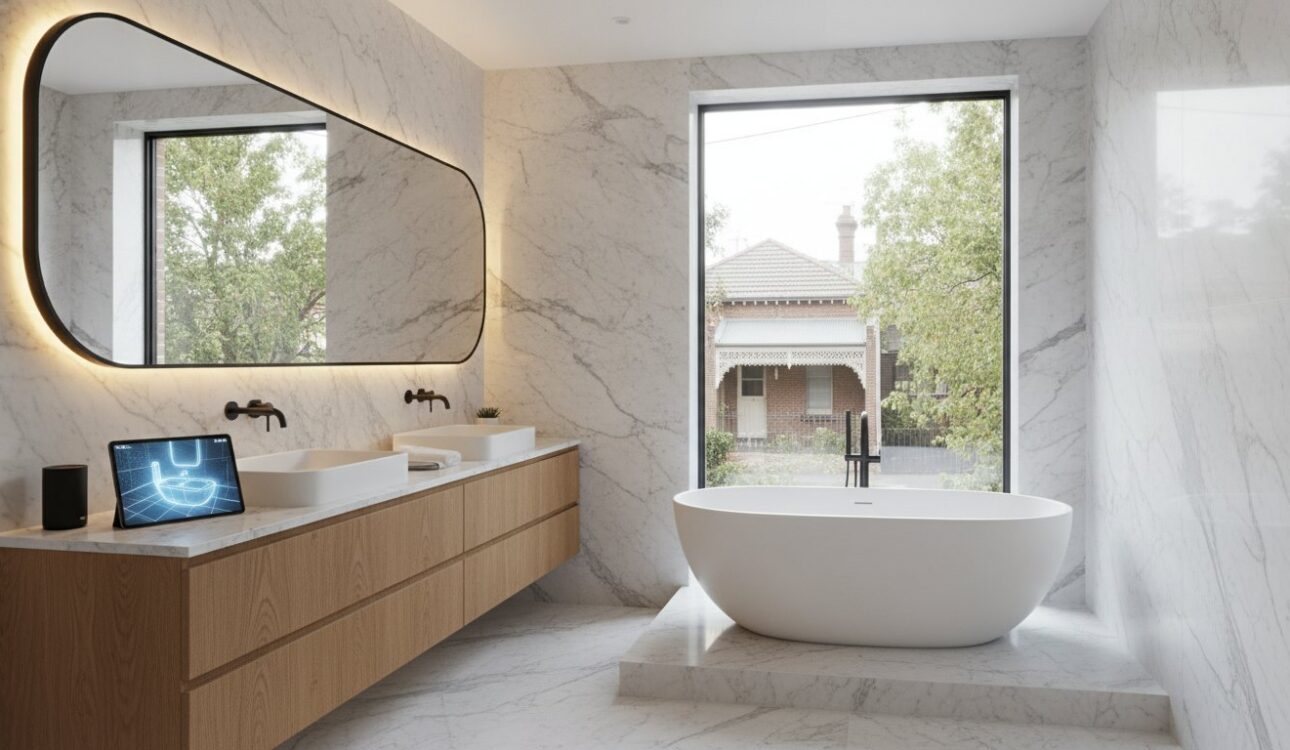
What if the difference between a luxury retreat and a costly budget blowout in 2026 isn’t the marble you select, but the regulatory compliance you overlook? You likely understand that a bathroom is one of the most significant investments you can make in your home’s value and your personal well-being. Yet, many Melbourne homeowners feel overwhelmed by the complexity of modern building permits and the fear of uncovering hidden plumbing issues once the tiles come off. This Bathroom Renovation Cost Melbourne 2026 Guide provides the clarity you need to move forward with confidence.
We promise to walk you through the current market landscape, covering everything from essential waterproofing standards to the latest luxury design trends. You’ll gain a clear understanding of what to expect regarding investment levels and VBA requirements for the upcoming year. We will preview the critical steps of the renovation journey, including how 3D design technology can lock in your vision before a single trade enters your home. By the end of this guide, you’ll have a roadmap for a functional, compliant, and breathtaking space that reflects your unique style without any financial surprises.
Key Takeaways
- Navigate the 2026 Melbourne market by understanding how current inflation and trade availability influence both your total investment and project duration.
- Use this Bathroom Renovation Cost Melbourne 2026 Guide to determine if your vision aligns with cosmetic, mid-range, or premium structural renovation brackets.
- Protect your property value by identifying when Victorian Building Authority (VBA) permits are required and ensuring all work meets AS 3740 waterproofing standards.
- Master budget allocation by learning why licensed trade labour and bespoke materials typically account for the largest portions of your project costs.
- Visualise your dream space and lock in fixed-price certainty through professional 3D design phases that eliminate expensive mid-project changes.
Understanding the 2026 Melbourne Bathroom Renovation Landscape
Melbourne currently holds the position of Australia’s second most expensive city for residential upgrades. This status is driven by a combination of strict regulatory frameworks and a highly competitive trade market. When you consult this Bathroom Renovation Cost Melbourne 2026 Guide, it’s vital to recognize that Victorian labour rates consistently sit above the national average. This premium reflects the high level of expertise required to navigate the state’s rigorous building codes.
The 2026 economic environment has introduced specific challenges for homeowners. Trade availability remains tight, particularly for licensed plumbers and waterproofers who are in high demand across the city. Choosing “cheap” alternatives often backfires during Victorian Building Authority (VBA) inspections. Non-compliance with the National Construction Code (NCC) 2022 or AS 3740 waterproofing standards can void your insurance and significantly decrease your property’s resale value. Investing in a compliant renovation is the only way to ensure structural longevity.
We’ve also observed a significant psychological shift in how Melburnians view their homes. The bathroom is no longer just a utility room; it’s a wellness sanctuary. This evolution toward self-care spaces requires a more meticulous approach to both design and construction, moving away from “cookie-cutter” layouts toward bespoke, high-performance environments.
Melbourne vs. National Renovation Averages
Victorian homeowners pay more because they receive more protection. Victoria’s licensing requirements for plumbers and tilers are among the strictest in the country. This adds a layer of professional accountability to your project that isn’t always present in other states. Additionally, Melbourne’s unique architectural stock plays a role in pricing. Renovating a heritage Victorian or Edwardian home in suburbs like Hawthorn or Fitzroy involves complex structural considerations that a modern build simply doesn’t face. These older homes often require significant sub-floor rectification before any aesthetic work begins.
The 2026 “Wellness” Trend and Its Cost Impact
The demand for “spa-at-home” features has reached an all-time high. This trend directly influences the Bathroom Renovation Cost Melbourne 2026 Guide because luxury features require specialized skills. Common high-end requests now include:
- Integrated steam showers and infrared sauna panels that require dedicated electrical and plumbing circuits.
- Large-format natural stone tiles, which involve higher material costs and more intensive labour for precise levelling.
- Custom-built vanities and storage solutions provided by a specialist cabinet maker in Melbourne to maximize space and aesthetic flow.
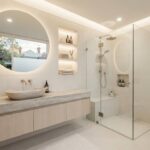
These sophisticated finishes require longer installation windows. When you choose artisanal materials like honed marble or handmade ceramics, you’re also investing in the extra time a master tiler needs to achieve a flawless finish. While these elements increase the initial investment, they provide the daily comfort and long-term value that define a premium Melbourne home.
Bathroom Renovation Cost Melbourne: 2026 Price Brackets
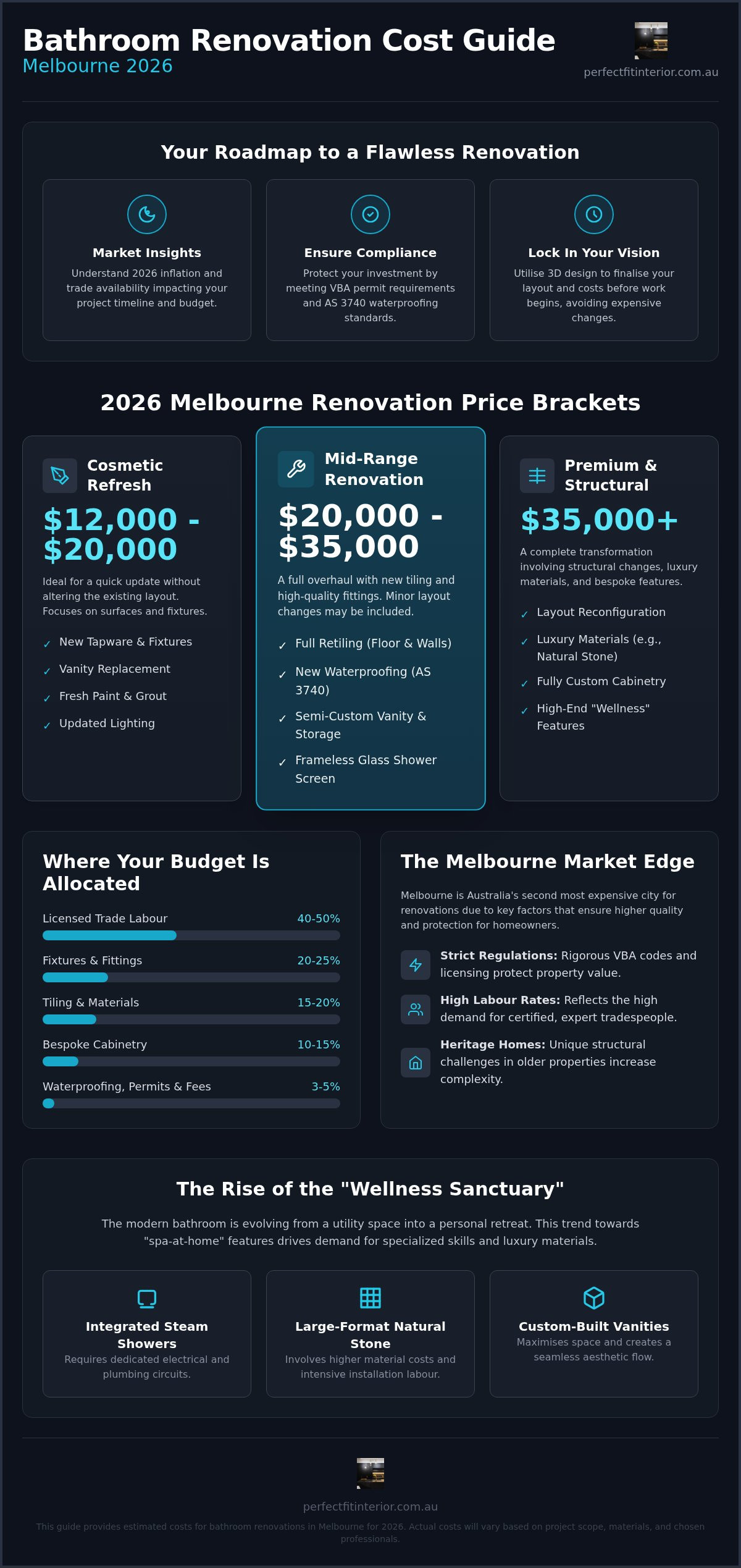
Understanding where your project sits within the current market is the first step toward a successful outcome. This Bathroom Renovation Cost Melbourne 2026 Guide categorises projects into three distinct tiers based on the complexity of work and the quality of finishes. While every home is unique, these brackets reflect the typical investment required to meet Victorian standards and achieve a high-end aesthetic in the current economic climate.
The total investment is generally dictated by whether you’re working within the existing building envelope or undertaking structural modifications. In 2026, the reality of a budget renovation typically falls between $12,000 and $18,000. While this range is accessible, it’s vital to ensure that even lower-cost projects adhere to the strict guidelines set out by Master Builders Victoria to avoid future rectification costs.
The Cosmetic Refresh ($12,000 – $20,000)
A cosmetic refresh focuses on “resurfacing” rather than a full structural overhaul. This approach is ideal for investors looking for a quick rental yield boost or homeowners who are happy with their current layout. By keeping plumbing and electrical points in their original positions, you save significantly on trade labour. This budget level typically covers:
- Updating tapware, shower heads, and towel rails with modern finishes.
- Replacing the vanity and mirror with stylish, off-the-shelf alternatives.
- Professional tile painting or regrouting to refresh the appearance of existing surfaces.
- Upgrading lighting fixtures and exhaust fans for improved functionality.
The Standard Full Renovation ($25,000 – $45,000)
This is the “sweet spot” for most Melbourne homeowners. It involves a complete strip-out back to the wall studs, followed by a full rebuild. At this level, you’re investing in long-term structural integrity, including new waterproofing that complies with AS 3740 standards. You have the freedom to select high-quality tiles and incorporate custom cabinetry Melbourne to optimize every centimetre of storage. Most projects in this bracket include modest plumbing relocations, heated towel rails, and sophisticated LED mirrors that elevate the daily experience.
The Premium Bespoke Sanctuary ($50,000+)
When you’re looking to create a true architectural statement, the investment reflects the artisanal level of craftsmanship required. Premium renovations often involve structural changes, such as moving walls or expanding the room’s footprint. You’ll work closely with a professional cabinet maker Melbourne to design bespoke joinery that integrates seamlessly with floor-to-ceiling stone slabs. These sanctuaries often feature luxury underfloor heating, smart home integration, and imported designer fixtures. To ensure your vision is perfectly captured before construction begins, you might consider how a detailed 3D design consultation can help lock in your aesthetic and financial goals.
Itemised Breakdown: Where Your Budget Is Allocated
A successful project relies on a transparent understanding of where every dollar is spent. When reviewing your Bathroom Renovation Cost Melbourne 2026 Guide, you’ll find that the budget isn’t just about the visible tiles and tapware. It’s a complex puzzle of skilled labour, high-performance materials, and regulatory compliance. Typically, a professional renovation budget is divided into four main pillars:
- Trade Labour (40-50%): This covers licensed plumbers, electricians, waterproofers, and tilers. In 2026, hourly rates for Melbourne plumbers range from $100 to $150, reflecting the high level of certification required in Victoria.
- Materials and Fixtures (30-35%): This includes everything from the waterproofing membrane and screed to the designer vanity and bath.
- Design and Project Management (10-15%): Investing in professional oversight ensures trade coordination is seamless and the final result matches your initial 3D vision.
- Contingency Fund (10%): We always recommend setting aside a buffer for “behind the wall” surprises, such as discovering legacy water damage or non-compliant wiring during demolition.
The Cost of Custom Joinery vs. Flat-Pack
Choosing your cabinetry is a pivotal decision that impacts both the room’s aesthetic and its longevity. While flat-pack options are available, bespoke vanities offer a far superior return on investment. Custom pieces are built using high-grade, moisture-resistant MDF or solid timber, specifically treated for the humid Melbourne climate. This artisanal approach allows you to maximize storage in awkward layouts, ensuring no space is wasted. To see how these elements fit into broader aesthetic shifts, you can explore Melbourne interior design trends 2026 for inspiration on materials like fluted timber and natural stone tops.
Plumbing and Electrical: The Invisible Costs
The most significant “hidden” expenses often lie within the floor and walls. If your design involves relocating waste points or water lines, especially in homes with concrete slabs, the labour costs will rise. Licensed electricians must also adhere to strict safety regulations for “Zone 0” and “Zone 1” wet areas, ensuring all GPOs and lighting are at a safe distance from water sources. Additionally, the National Construction Code 2022 standards now influence fixture selection. You’ll need to choose water-efficient tapware and toilets that meet modern energy and sustainability benchmarks, which often carry a slightly higher upfront price but reduce long-term utility costs.
Don’t forget the essential compliance materials. High-quality waterproofing for a standard bathroom typically costs between $750 and $1,000. While it’s an invisible expense, it’s the most critical factor in protecting your home from structural rot and mould. Combined with VBA lodgement fees of $142.10 and potential asset protection fees of $371.20 for larger works, these regulatory costs are non-negotiable for a professional, lasting result.
Navigating Victorian Regulations and Hidden Structural Costs
Compliance is the foundation of any enduring home improvement. As you plan your project using this Bathroom Renovation Cost Melbourne 2026 Guide, you must account for the strict regulatory framework governing Victorian wet areas. Adhering to the AS 3740-2010 waterproofing standard isn’t just a legal requirement; it’s a critical safeguard for your home’s structural integrity and your insurance coverage. Overlooking these details can lead to catastrophic moisture damage that isn’t discovered until it’s too late.
A significant shift in 2026 involves the National Construction Code (NCC) energy compliance standards. New regulations now require a 7-star energy rating for renovations that touch the building’s external envelope. If your design includes replacing windows or altering external wall insulation, you must invest in high-performance double-glazing and specific R-value batts. This thermal efficiency focus reduces long-term heating costs but requires a higher initial investment in compliant materials and specialized installation techniques.
Melbourne’s heritage suburbs, such as Northcote or South Melbourne, present unique challenges. If your home was built before 1990, there’s a high probability that the original wall linings contain asbestos. Professional testing and removal are non-negotiable safety steps. Similarly, lead-based paints in older Victorian cottages require specific containment protocols. These “invisible” factors can impact your timeline and budget, but addressing them correctly ensures a safe environment for your family.
The VBA Compliance Checklist
The Victorian Building Authority (VBA) distinguishes between “minor work” and projects requiring a building permit. Generally, you’ll need a permit if you’re making structural changes, altering the room’s footprint, or moving plumbing and drainage locations. A building permit lodgement fee of $142.10 is required for the council, and for works valued between $10,001 and $100,000, an asset protection fee of $371.20 usually applies. Always ensure your licensed plumber and electrician provide a Compliance Certificate upon completion. These documents are vital for your home’s resale value, proving to future buyers that every connection meets current safety standards.
Hidden Costs in Older Melbourne Homes
Demolition often reveals what years of paint have hidden. “Leaky shower” syndrome is a common discovery in older Melbourne stock, where failed waterproofing has led to subfloor rot or joist damage. Rectifying these structural issues is essential before laying a single new tile. You should also budget for upgrading legacy plumbing. Replacing old galvanised pipes with modern PEX or copper lines prevents future pressure drops and water discolouration. In heritage cottages, you’ll frequently encounter uneven floors that require a new self-levelling screed to ensure your large-format tiles sit perfectly flat and drain correctly toward the waste.
Maximising ROI with 3D Design and Professional Installation
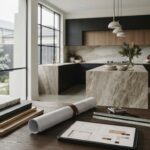
Securing a premium result without the stress of budget creep requires a design-first approach. By utilizing advanced 3D modelling, you can visualize your kitchen and bathroom renovations Melbourne with absolute clarity before a single tile is removed. This technology allows you to experiment with layouts, finishes, and custom joinery in a virtual space, ensuring the final outcome aligns perfectly with your lifestyle goals. It transforms the renovation from a leap of faith into a calculated investment that adds tangible value to your property.
One of the most significant contributors to a high Bathroom Renovation Cost Melbourne 2026 Guide is the “change order.” These are mid-project adjustments that arise from poor planning or vague specifications. Precise 3D measurements eliminate these surprises by identifying structural constraints early. In a market where trade labour is a premium, avoiding these delays can save thousands of dollars. We also advocate for project-based fees rather than “cost-plus” arrangements. A fixed-price quote provides the financial certainty you need in a volatile economic climate, protecting you from unexpected price hikes in raw materials.
Creating a cohesive aesthetic throughout your home is another way to maximize your return. Many homeowners choose to align their bathroom design with their Melbourne kitchen renovations. By using consistent cabinetry profiles, stone selections, and hardware finishes, you create a seamless flow that speaks of artisanal quality and intentional design. This unified approach is highly attractive to future buyers and elevates the overall feel of your living environment.
Bespoke Cabinetry as a Value Add
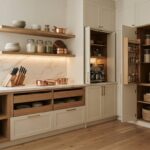
Custom-built storage is the ultimate solution for the “small Melbourne bathroom” dilemma often found in inner-city apartments or heritage terraces. Floor-to-ceiling joinery utilizes every available millimetre, turning awkward corners into functional linen storage or hidden laundry hubs. Integrated lighting within these bespoke units adds a layer of luxury that off-the-shelf vanities cannot match. You can explore our full range of renovation services to see how custom joinery elevates different areas of the home through meticulous craftsmanship.
The Perfect FIT Process: From Concept to Completion
We provide an all-in-one solution that manages everything from the initial flooring selection to the final plumbing certificate. This methodology reduces the stress of trade coordination, as our team handles the entire lifecycle of the project under one roof. With over 18 years of industry experience, we understand that reliability is just as important as aesthetics. Our commitment to a “Lowest price guaranteed” policy for high-end transformations ensures you receive superior results at a competitive rate. The next step in your journey is simple. Booking a 3D design consultation with a specialist cabinet maker in Melbourne allows you to lock in your project costs and begin the process of realizing your dream sanctuary.
Realise Your Vision for a Luxury Melbourne Sanctuary
Your renovation is a significant investment in both your personal well-being and your home’s long-term value. By balancing the aspirational design trends of 2026 with the strict Victorian regulatory requirements we’ve explored, you ensure a result that’s as structurally sound as it is beautiful. This Bathroom Renovation Cost Melbourne 2026 Guide has provided the roadmap to help you navigate trade costs, permit triggers, and the 7-star energy standards defining the current market.
With over 18 years of local experience, our team at Perfect FIT Interior provides the expertise required for a seamless transformation. As Victorian Registered Building Practitioners, we include a comprehensive 3D design and measurement phase in our process to ensure total precision and eliminate budget surprises. We’re committed to delivering superior outcomes through meticulous craftsmanship and a customer-centric approach.
You deserve a functional, elegant space that reflects your unique style and stands the test of time. We look forward to collaborating with you to create the high-end sanctuary you’ve always envisioned for your Melbourne home.
Frequently Asked Questions
How long does a typical bathroom renovation take in Melbourne in 2026?
A full renovation typically spans three to six weeks from demolition to completion. This timeline accounts for the sequential nature of trades, including plumbing, electrical, and tiling. While cosmetic updates might finish sooner, structural changes or bespoke joinery installation require careful coordination. We recommend checking trade availability early in your planning phase as high demand in the Melbourne market can influence start dates and overall project duration.
Do I need a council permit for a simple bathroom cosmetic refresh?
You generally don’t need a building permit for cosmetic upgrades like replacing tapware or vanities in their original positions. However, a permit is mandatory if you’re altering the structural layout, moving plumbing drainage, or modifying the waterproofing membrane. It’s vital to consult your builder regarding these triggers. This Bathroom Renovation Cost Melbourne 2026 Guide emphasizes that skipping required permits can complicate future property sales and void your insurance.
Is waterproofing included in the standard renovation cost?
Professional quotes usually include waterproofing, as it’s a non-negotiable requirement for compliance with Australian Standard AS 3740. For a standard Melbourne bathroom, the specialized materials and labour for a compliant membrane typically range from $750 to $1,000. It’s the most critical “hidden” cost in your budget. Always ensure your contractor provides a certificate of compliance to guarantee the work meets the National Construction Code 2022 standards.
Can I stay in my home while the bathroom is being renovated?
You can certainly stay in your home if you have access to a second functional bathroom. However, be prepared for significant noise, dust, and trade traffic during the first week of demolition. Many homeowners find it more comfortable to arrange alternative accommodation during the most intensive construction phases. We use protective floor coverings and dust barriers to minimize the impact on your daily life and maintain a clean workspace.
How much value does a new bathroom add to a Melbourne property?
A well-executed bathroom renovation is one of the most effective ways to boost a Melbourne property’s market value. Real estate experts often report that modern, high-end wet areas provide a substantial return on investment by attracting premium buyers. Beyond the financial gain, you’re investing in your lifestyle and personal well-being. A functional, stylish bathroom often serves as a key selling point in competitive suburbs like South Yarra or Richmond.
What is the difference between a registered builder and a handyman for bathroom work?
Registered Building Practitioners are licensed to manage structural works and provide necessary insurance and compliance certificates. A handyman is suitable for minor, non-structural tasks like hanging a mirror or changing a towel rail. For any project involving plumbing, electrical, or waterproofing, you must use licensed professionals. This ensures your renovation meets Victorian safety standards and protects your home’s structural integrity for the long term.
Why is custom cabinetry more expensive than flat-pack options?
Custom cabinetry is designed specifically for your room’s unique dimensions and moisture-resistance needs. Unlike mass-produced flat-packs, bespoke joinery utilizes high-grade materials that don’t swell or delaminate in humid environments. This artisanal approach allows for floor-to-ceiling storage and integrated lighting that maximizes small spaces. It’s a long-term investment in durability and aesthetic flow that off-the-shelf products simply can’t replicate in a premium Melbourne home.
What are the current 2026 trends for Melbourne bathroom tiles and colours?
The 2026 trend landscape prioritizes tactile textures and organic palettes. We’re seeing a strong shift toward large-format natural stone tiles and fluted cabinetry finishes that add depth to the space. Earthy tones like terracotta, sage green, and warm greys are replacing clinical whites. Combining these with timber-look custom joinery creates a “wellness sanctuary” feel. This Bathroom Renovation Cost Melbourne 2026 Guide suggests these timeless, nature-inspired choices offer the best longevity for your investment.
Disclaimer
All right reserve for Perfect Fit Interior – InnovateX Group PTY LTD