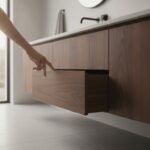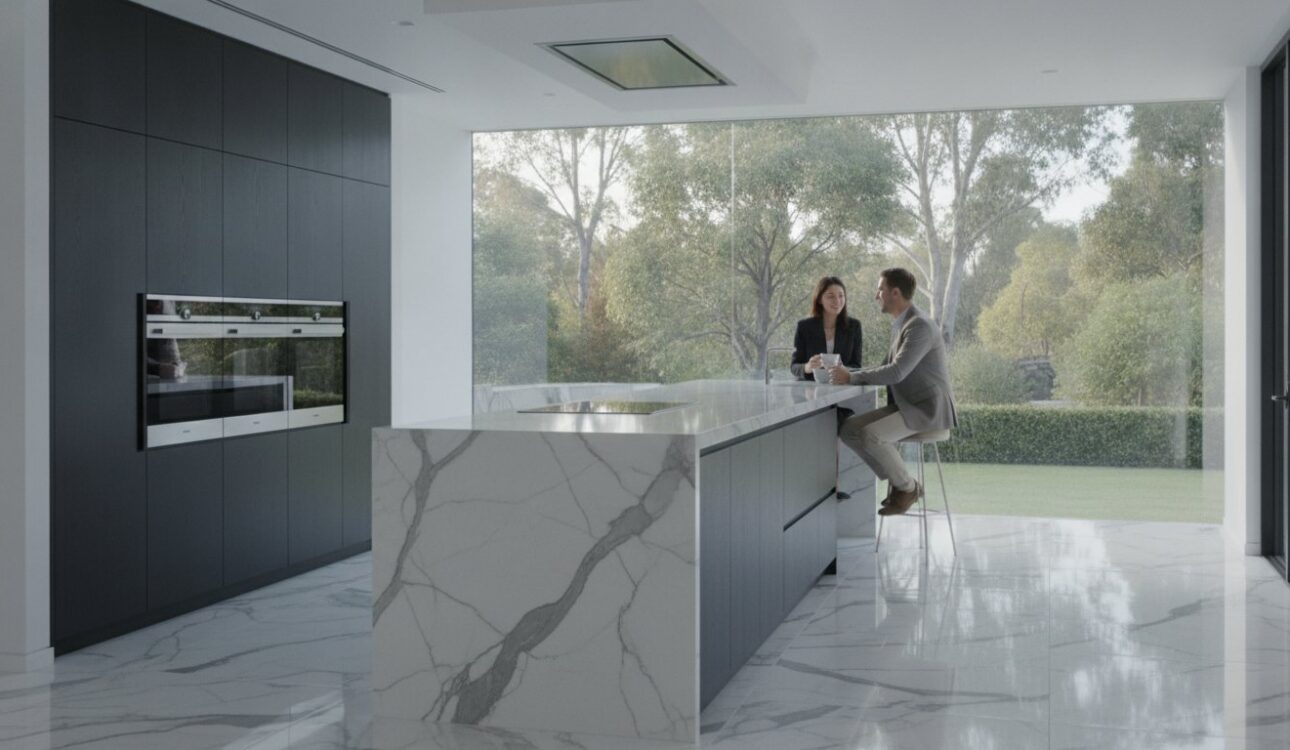
The 2026 generation of natural stone-look tiles isn’t just a budget-friendly alternative; it’s a superior engineering choice that often outperforms nature in the modern Melbourne kitchen. You likely appreciate the timeless elegance of marble or travertine, but the reality of constant sealing and the fear of red wine stains can quickly turn a dream renovation into a source of anxiety. It’s a common dilemma for Victorian homeowners who want a high-end aesthetic without becoming a slave to floor maintenance.
We understand that you want a home that feels both luxurious and liveable. In this guide, you’ll discover how to achieve a premium finish using advanced porcelain technology that eliminates the “fake” look of previous decades. We’ll clarify the technical differences between porcelain and ceramic, explain how to meet the latest 2026 Victorian tiling standards, and show you how to create a cohesive design between your flooring and custom cabinetry. By the end, you’ll have the confidence to select durable materials that elevate your lifestyle and your property value.
Key Takeaways
- Learn how modern high-definition printing creates natural stone-look tiles that are virtually indistinguishable from real marble or travertine.
- Understand the technical advantages of porcelain, including its superior scratch resistance and low porosity compared to porous natural stone.
- Discover how to coordinate tile selections with custom cabinetry for a seamless, high-end finish in your kitchen or bathroom renovation.
- See how 3D design rendering can eliminate guesswork by showing you exactly how your chosen tiles will look in your unique space.
- Gain insights into critical installation requirements like subfloor levelling to ensure your large-format tiles meet current Victorian building standards.
What Are Natural Stone-Look Tiles and Why Are They Trending in 2026?
Natural stone-look tiles are high-performance porcelain or ceramic surfaces that employ advanced digital inkjet technology to replicate the intricate aesthetics of organic minerals. In 2026, Melbourne architecture has embraced a “biophilic design” philosophy, which seeks to integrate natural elements into the urban domestic environment. Homeowners across Victoria are increasingly drawn to these materials because they offer the visual warmth of limestone or the prestige of marble without the environmental toll of traditional quarrying. This “Eco-Luxury” movement represents a significant shift in how we approach a high-end home renovation.
The Technology Behind the Texture
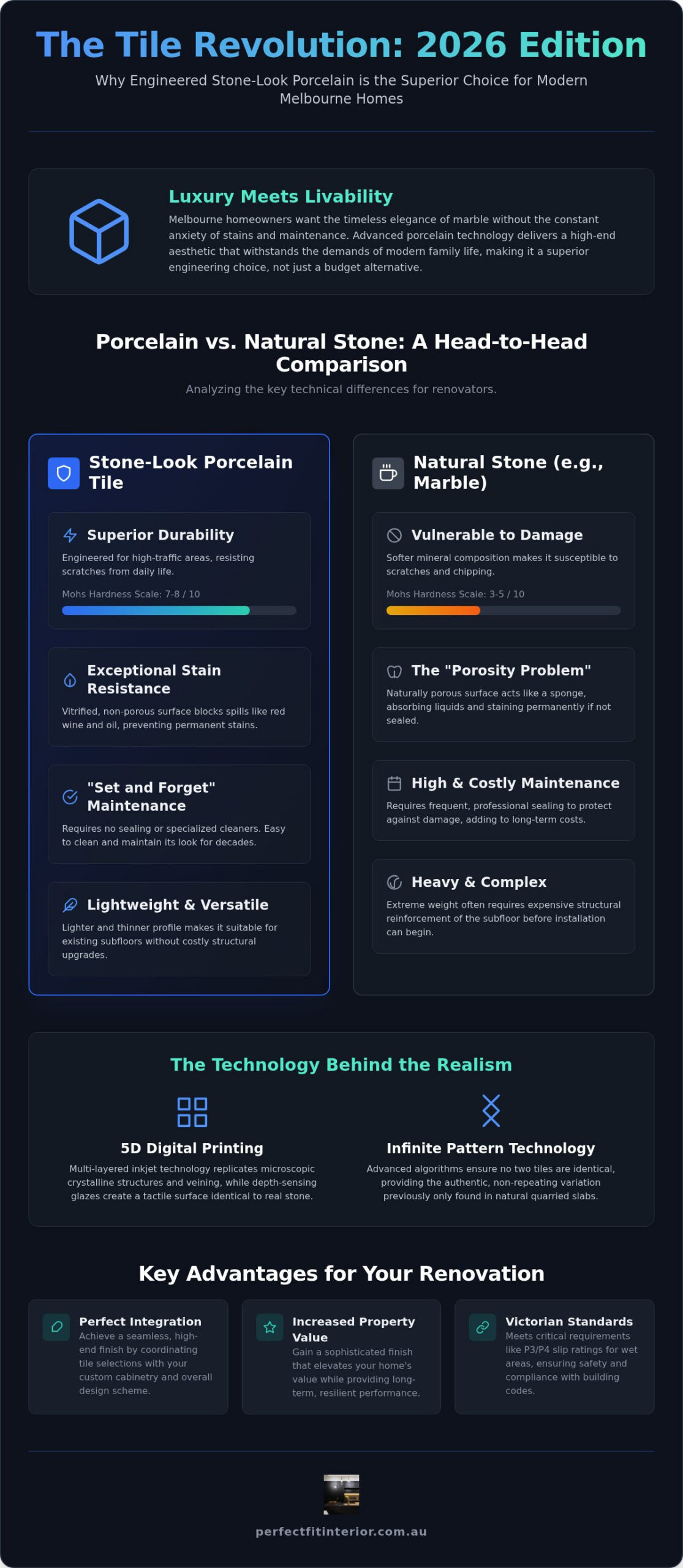
5D printing technology in 2026 utilizes multi-layered inkjet application to replicate the microscopic crystalline structures and organic veining found in geological formations. Beyond mere visuals, depth-sensing glazes are now applied to create a tactile surface that feels identical to raw, unpolished stone underfoot. The industry has also solved the issue of repetitive patterns through infinite pattern technology. This ensures that even across a large-scale open-plan living area, no two tiles appear identical, providing the authentic variation once reserved for natural slabs.
Why Melbourne Homeowners are Switching from Real Stone
The current Melbourne property market is driving a “renovate, don’t relocate” trend, making long-term material durability a top priority. While real stone is undoubtedly beautiful, its high porosity makes it susceptible to staining from everyday kitchen spills like oils or acidic juices. Modern technical properties of vitrified tiles ensure a non-porous surface that is exceptionally dense and resistant to wear. This density makes them an ideal choice for busy families who want a luxury aesthetic without the burden of constant sealing and specialized maintenance.
The cost-to-value ratio is another compelling factor for Victorian renovators. With house construction prices in Victoria increasing by 3.7% in the year leading up to June 2026, homeowners are looking for ways to maximize their investment. Selecting natural stone-look tiles provides a sophisticated finish that pairs perfectly with the latest Melbourne Interior Design Trends 2026. This choice allows you to achieve a cohesive, high-end look while ensuring your home remains resilient enough to handle the demands of modern life.
Porcelain vs. Natural Stone: A Technical Comparison for Homeowners
Choosing the right material for your home involves a balance of aesthetics and engineering. On the Mohs scale of mineral hardness, natural marble typically ranks between 3 and 5, making it susceptible to scratches from grit or dropped objects. In contrast, natural stone-look tiles made from high-density porcelain often reach a 7 or 8. This superior hardness ensures your floors remain pristine despite the daily chaos of a busy Victorian home. Weight is another critical factor for Melbourne subfloors. Real stone slabs require significant structural reinforcement due to their extreme mass. Modern porcelain alternatives are lighter and thinner, making them far easier to integrate into existing layouts without the need for costly structural upgrades.
The “Porosity Problem” is perhaps the most significant technical hurdle for natural stone in a working kitchen. Real stone is filled with microscopic pores that act like a sponge for liquids. If you spill red wine or oil on unsealed marble, it can leave a permanent mark within minutes. High-quality porcelain tiles are vitrified at extreme temperatures, resulting in a nearly non-porous surface that resists deep-set staining. This technical advantage allows you to enjoy the look of premium stone without the constant worry of accidental damage.
Durability and Slip Resistance (P-Ratings)
Selecting the right surface involves understanding slip resistance classifications, known as P-ratings. For wet areas like bathrooms and laundries, a P3 or P4 rating is essential to ensure safety. Porcelain is the “set and forget” choice for high-traffic Victorian hallways because it maintains these safety standards without wearing down over time. These tiles also possess excellent thermal mass properties. They pair perfectly with underfloor heating systems, absorbing and radiating warmth efficiently during Melbourne’s colder months.
The Maintenance Reality Check
The biggest difference lies in the long-term care requirements. Real travertine or limestone is incredibly porous and requires professional sealing every 12 to 24 months to prevent deterioration. If you spill lemon juice on a marble floor, the acid causes immediate etching that often requires professional grinding to fix. Porcelain is chemically inert and acid-resistant. “In 2026, luxury is defined by beauty that doesn’t require a weekend of maintenance.” By adhering to Tile Council of North America installation standards, you ensure that your low-maintenance surface is installed for maximum longevity.
Engineering a beautiful home shouldn’t be a source of stress. If you are ready to start planning your next project, explore our full range of renovation services to see how we can help you achieve a seamless, durable result.
Selecting the Perfect Aesthetic: Popular Stone-Look Varieties
Selecting the right aesthetic for your home requires more than just picking a colour. It’s about matching the architectural soul of your property. In Melbourne, we see a distinct split in preferences based on geography and house style. For instance, homeowners in the inner-eastern suburbs often gravitate toward the timeless Calacatta or Carrara marble-look porcelain. These natural stone-look tiles provide the dramatic grey veining and crisp white backgrounds of Italian quarries without the prohibitive cost or the fragility of real slabs.
Conversely, the “Mediterranean Modern” trend is currently dominating Melbourne’s bayside renovations. This style relies heavily on travertine-look varieties in creamy beige and soft tan tones. These tiles evoke a sense of coastal warmth and historical depth. To understand why these patterns remain so influential, it helps to consider The History and Enduring Appeal of Natural Stone in Architecture. By using limestone and sandstone-look tiles, you can create soft, organic textures that ground large open-plan living areas, making them feel inviting rather than cavernous.
The Rise of Terrazzo and Concrete-Stone Hybrids
Industrial-organic hybrids are currently a top choice for Melbourne apartment renovations. These designs blend the raw, edgy feel of concrete with the speckled elegance of natural stone aggregates. By utilizing large format tiles, such as the popular 1200x1200mm size, you can achieve a “seamless slab” look with minimal grout lines. This technique creates a sense of continuous space that is particularly effective in smaller urban footprints. For more visual inspiration on how these styles translate into real-world spaces, explore our 25+ Inspiring Kitchen Ideas for Melbourne Homes.
Texture and Finish: Honed, Polished, or Matt?
The finish you choose determines how your room interacts with light and how it feels underfoot. A honed finish offers a natural, understated feel that’s perfect for a contemporary aesthetic. In 2026, we’ve seen a surge in “Lappato” finishes. This semi-polished surface features high and low spots that catch the light beautifully in North-facing rooms while maintaining better grip than a high-gloss finish. While polished tiles offer maximum glamour, families often prefer a matt or Lappato finish to find the middle ground between slip-resistance and aesthetic appeal. Choosing the right texture ensures your home is both a showpiece and a safe environment for everyone.
Design Synergy: Integrating Stone-Look Tiles with Custom Cabinetry
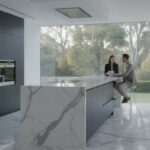
Achieving a high-end luxury aesthetic requires a holistic approach where every element works in harmony. In a premium renovation, natural stone-look tiles shouldn’t be treated as an isolated purchase. Instead, they serve as the foundational canvas for your custom joinery. When we design a kitchen island with a waterfall benchtop, we meticulously coordinate the tile veining to ensure it complements the stone surfaces above. This artisanal precision creates a visual flow that makes the entire room feel like a singular, cohesive piece of furniture.
Technical details often define the success of a project. We pay close attention to the colour-matching of grout to cabinetry kickboards. A mismatched grout line can disrupt the visual transition from floor to cupboard, while a perfectly toned grout makes the cabinetry appear to rise naturally from the stone-look surface. Our 3D design rendering service is vital here. It allows you to visualise the exact interplay between floor textures and cupboard finishes, eliminating the anxiety of materials clashing once they’re installed.
The ‘Perfect Fit’ Between Floor and Joinery
We always recommend selecting your flooring before finalising your cabinet colours. Because floor tiles occupy the largest surface area, they dictate the room’s tonal direction. You can even use the same stone-look tiles as a splashback to mirror the floor design, creating a sophisticated “book-matched” effect. For more insights on coordinating these elements, read our Cabinet Maker Melbourne Guide.
Creating Flow in Open-Plan Melbourne Renovations
Continuity is the hallmark of modern Melbourne architecture. Using the same natural stone-look tiles from the main kitchen through to the butler’s pantry or laundry provides a seamless transition that expands the sense of space. If your home features timber floorboards in living areas, we use custom-manufactured transition strips to ensure a flush finish between the tiled and timber zones. This level of craftsmanship is detailed in our Melbourne Kitchen Renovations: The Ultimate 2026 Guide.
Consult with an expert cabinet maker in Melbourne
Planning Your Renovation: Installation and Expert Selection
The success of a high-end renovation rests on the invisible work beneath the surface. For natural stone-look tiles, particularly the large-format varieties currently dominating Melbourne design, subfloor levelling is a non-negotiable requirement. As of August 1, 2026, Victoria’s updated Guide to Standards and Tolerances has tightened the tolerance for tile flatness from ±4 mm to ±3 mm. Achieving this level of precision on a concrete slab or timber subfloor requires an expert hand and specialised levelling systems. Professional installation is especially critical for rectified edge tiles. These tiles feature mechanically cut, perfectly straight edges that allow for ultra-fine grout lines, but any slight misalignment can lead to “lippage,” ruining the seamless luxury aesthetic you’ve invested in.
Budgeting for your renovation requires a realistic understanding of current Victorian market conditions. House construction prices in Victoria saw a 3.7% increase in the year leading up to June 2026, making it more important than ever to plan your finances meticulously. We recommend maintaining a 10-20% contingency fund to cover potential unforeseen site complexities. This buffer ensures that your project maintains its high standards of craftsmanship without being derailed by unexpected structural requirements or planning delays common in heritage Melbourne properties.
The Installation Checklist
- Step 1: Measurement and Wastage: Always calculate for a 10% wastage buffer. This accounts for intricate cuts around cabinetry and ensures you have identical batch numbers if a tile is damaged during the process.
- Step 2: Subfloor Assessment: Victoria’s climate can cause timber subfloors to move. We assess whether your home requires specialised decoupling membranes or levelling compounds to meet the new ±3 mm flatness standard.
- Step 3: Grout Selection: For a true stone look, we often recommend high-performance epoxy grouts over traditional cement-based options. They are non-porous and colour-stable, ensuring your grout lines remain as pristine as your porcelain surfaces.
Partnering with a Full-Service Renovation Firm
Managing multiple trades can be a significant source of anxiety for homeowners. By choosing an all-in-one solution, you ensure that your cabinet maker and tiler are working from the same master plan. At Perfect FIT Interior, we manage the entire timeline from initial floor preparation to the final cabinet installation. This integrated approach prevents common site conflicts, such as cabinetry being built on uneven floors or tiles being damaged during joinery fit-outs. We frame every project as a life-enhancing experience, focusing on structural longevity and your personal well-being. To see how we can streamline your next project, Explore Our Full Range of Renovation Services.
Transform Your Melbourne Home with Timeless Sophistication
Embracing the future of home design means choosing materials that work as hard as they look. By opting for natural stone-look tiles, you secure a high-end luxury aesthetic that remains resilient against the demands of a busy Victorian lifestyle. You now understand how 2026 porcelain technology effectively eliminates the porous risks of real stone, allowing for a maintenance-free finish that doesn’t compromise on artisanal beauty.
Achieving the “Perfect Fit” requires more than just a beautiful product; it demands a cohesive strategy between your flooring and custom joinery. With our 18+ years of Melbourne renovation expertise, we provide an all-in-one design and installation service that removes the guesswork. Our lowest price guarantee on stylish transformations ensures you receive exceptional value without sacrificing quality. We use advanced 3D design rendering to help you visualise the interplay of textures before a single tile is laid.
Your dream home is within reach. We look forward to helping you create a space that reflects your unique style and enhances your daily well-being through meticulous craftsmanship and expert-led innovation.
Frequently Asked Questions
Are natural stone-look tiles cheaper than real stone in Melbourne?
Yes, choosing these materials is generally more cost-effective for a Melbourne renovation. While the initial material price for quality porcelain ranges from $30 to $100 per square metre, the real savings are found in labour and maintenance. Natural stone often requires specialised installation costing up to $160 per square metre, plus expensive ongoing sealing. Natural stone-look tiles provide a premium aesthetic without these high recurring costs.
Do stone-look porcelain tiles need to be sealed?
No, high-quality porcelain versions are vitrified at extreme temperatures, making them non-porous. This means they don’t require the periodic professional sealing that real marble or travertine demands. It’s a significant advantage for busy Victorian families who want a luxury look without a heavy maintenance schedule. You can simply enjoy the surface without worrying about deep-set stains from common household spills or acidic liquids.
What is the best stone-look tile for a small bathroom renovation?
Large format tiles with rectified edges are often the best choice for compact spaces. By using larger slabs, you reduce the number of grout lines, which immediately makes a small bathroom feel more expansive and less cluttered. Light-coloured marble or limestone looks are particularly effective in Melbourne homes, as they reflect light and create an airy, spa-like atmosphere that mimics the feel of a high-end hotel suite.
Can I use stone-look tiles for both floors and walls?
Yes, applying the same tile to both surfaces is a dominant 2026 design trend in Victoria. This technique creates a seamless “enveloped” aesthetic that adds immense drama and luxury to a room. It’s important to ensure the floor tile has an appropriate slip-resistance rating, while the wall version can be a matching polished or honed finish to create a sophisticated, multi-textured environment within your home.
How do I prevent grout lines from ruining the natural stone look?
The secret lies in using rectified edge tiles and colour-matched grout. Rectified edges are perfectly straight, allowing for grout joints as narrow as 1.5mm. When you match the grout colour to the tile’s primary base tone, the lines virtually disappear. This creates the illusion of a solid stone slab. We often recommend epoxy grout for natural stone-look tiles because it resists staining and maintains its colour over time.
Are large format stone-look tiles harder to install?
Large format tiles require a higher level of professional expertise and meticulous subfloor preparation. Because the tiles are so large, any slight unevenness in the floor can lead to “lippage,” where one tile edge sits higher than its neighbour. Victorian standards now require a flatness tolerance of ±3 mm. Installers must use specialised levelling systems and high-quality adhesives to ensure a perfectly flush and durable finish.
How do stone-look tiles handle Melbourne’s winter temperatures?
They handle temperature fluctuations exceptionally well due to their high density and thermal mass. Porcelain tiles retain heat effectively, making them the ideal partner for underfloor heating systems. They provide a warm and comfortable surface underfoot during Melbourne’s colder months. Unlike some natural materials that may expand or contract significantly, these tiles remain stable and are resistant to thermal shock in typical domestic environments.
What is a ‘rectified edge’ tile and why does it matter for the stone look?
A rectified edge tile has been mechanically ground to precise dimensions after the firing process. This ensures every tile is exactly the same size with perfectly square edges. It matters because it allows for ultra-fine grout lines, which are essential for achieving a seamless, high-end appearance. Without rectified edges, you’d be forced to use wider grout joints, which quickly breaks the illusion of a continuous natural stone surface.
Disclaimer
All right reserve for Perfect Fit Interior – InnovateX Group PTY LTD